





Haiti Sounds Global Alarm: Foreign Arms Fuel Gang Bloodshed as UN Embargo Faces Enforcement Test
Haiti has called on the international community to enforce a United Nations arms embargo, warning that foreign-made weapons and ammunition smuggled through transnational criminal networks continue to...
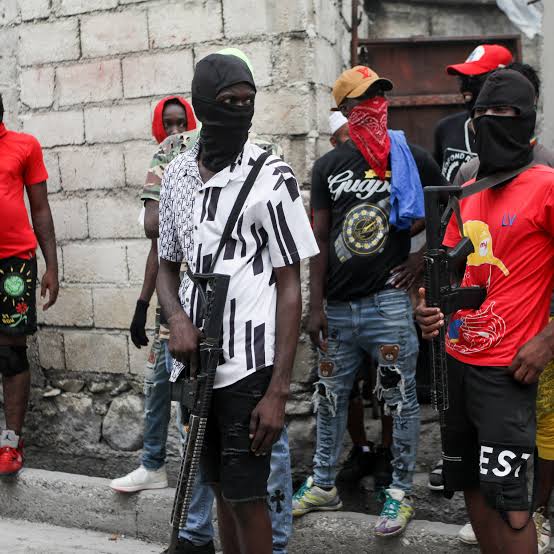
- Port-au-Prince warns that security operations alone cannot end the crisis without dismantling transnational arms-smuggling networks
Haiti has called on the international community to enforce a United Nations arms embargo, warning that foreign-made weapons and ammunition smuggled through transnational criminal networks continue to fuel deadly gang violence across the Caribbean nation.
The appeal was made on Monday, October 19, 2026, during a meeting of the UN Security Council, where Haiti’s representative stressed that sustained security operations would remain insufficient unless international efforts also targeted the illicit supply chains sustaining armed criminal groups.
“If the gangs manage to respond to this force in this way … it is because the weapons and the ammunition which they have, weapons and ammunition that was not made in Haiti,” the representative told the council, warning that illicit arms continued to enter the country through transnational criminal networks.
He urged UN member states and international partners to implement Security Council Resolution 2831, adopted on October 14, which calls for urgent and decisive measures to stop weapons trafficking into Haiti.
The Haitian government argued that disrupting the flow of arms and ammunition was essential to weakening criminal gangs and restoring security, as armed groups continue to challenge state authority and threaten civilian populations.
“Security operations alone will not be enough,” the representative said, pointing to the reconstitution of the National Commission for Disarmament, Dismantlement and Reintegration as evidence of the country’s determination to address the underlying causes of gang violence.
The commission is intended to support broader efforts to tackle armed group activity through disarmament, dismantlement and reintegration measures, complementing security operations and other responses to the crisis.
UN warns of mounting humanitarian toll
The appeal came as UN officials briefed the Security Council on the deteriorating security and humanitarian situation in Haiti.
According to figures presented during the session, armed violence killed more than 1,000 people and resulted in more than 100 kidnappings between July and September 2026. Insecurity has also spread into rural departments, widening the geographical reach of the crisis.
Nearly 1.5 million people have been displaced nationwide, underscoring the scale of the humanitarian emergency and the growing pressure on communities forced to flee their homes.
The figures highlight the challenges facing Haitian authorities and international partners as they seek to contain armed groups, protect civilians and restore conditions for stability.
International security force faces operational gaps
The multinational Gang Suppression Force (GSF), established to support efforts against armed criminal groups, has surpassed 2,000 deployed personnel from six contributing states.
However, mission leadership has warned that critical equipment shortages continue to constrain its operational effectiveness.
Insufficient armoured vehicles, tactical communications systems and aerial reconnaissance assets have reportedly hindered efforts to confront and dislodge heavily armed groups.
The operational gaps raise concerns about whether existing deployments have the resources required to respond effectively to the scale and mobility of gang activity.
Haiti’s appeal therefore places renewed emphasis on the need for a coordinated international response that combines security assistance with stronger enforcement against illicit arms trafficking.
Global compliance key to tackling the crisis
The demand for enforcement of the UN arms embargo underscores Haiti’s position that the security crisis cannot be resolved solely through domestic policing or international deployments while weapons continue to reach criminal groups from abroad.
Effective implementation of the embargo would require international partners to strengthen measures aimed at preventing illicit arms transfers, disrupting trafficking networks and ensuring compliance with applicable UN restrictions.
The Security Council’s deliberations come amid continuing concerns over civilian casualties, kidnappings, displacement and the ability of Haitian institutions to re-establish control over areas affected by gang violence.
Haiti’s central message is that restoring security requires action on two fronts: strengthening the capacity to confront armed groups within the country and cutting off the external supply networks that sustain their weapons and ammunition.
Without sustained international cooperation, Port-au-Prince warns, security operations risk remaining constrained while criminal networks continue to replenish their arsenals.






No Comment! Be the first one.