





£1.2M SANCTIONS CASE: Ex-Russian Minister Challenges UK Asset Forfeiture
Dmitrii Ovsiannikov, a former governor of Crimea’s Sevastopol and former Russian deputy minister, has raised privilege concerns in ongoing proceeds-of-crime proceedings that could determine whether...
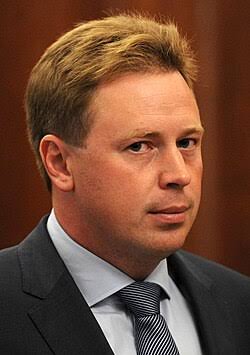
- A former Russian minister convicted in the UK’s first sanctions-evasion trial has accused prosecutors of breaching legal privilege as authorities seek to permanently seize about £1.2 million frozen during the investigation.
Dmitrii Ovsiannikov, a former governor of Crimea’s Sevastopol and former Russian deputy minister, has raised privilege concerns in ongoing proceeds-of-crime proceedings that could determine whether the frozen assets are permanently forfeited.
The case is being handled under the UK’s Proceeds of Crime Act 2002 and comes after Ovsiannikov became the first person convicted in Britain for evading Russia-related sanctions, according to Global Investigations Review
The National Crime Agency is seeking permanent forfeiture of approximately £1.2 million originally frozen as suspected proceeds of crime. The proceedings have also brought scrutiny to how investigators handle legally privileged material seized during complex financial-crime investigations.
The privilege dispute is significant for enforcement agencies because sanctions investigations frequently involve large volumes of electronic evidence, financial records and communications between suspects and lawyers. Improper handling of protected material can create challenges for prosecutors while potentially delaying asset-recovery proceedings.
Ovsiannikov’s wider case illustrates the expanding overlap between sanctions enforcement and traditional financial-crime controls. UK authorities have increasingly used proceeds-of-crime powers alongside sanctions legislation to identify and restrain assets suspected of being connected to prohibited activity.
The former Russian official was arrested by the NCA in January 2024 and faced sanctions and money-laundering charges. His wife, Ekaterina Ovsiannikova, and brother-in-law, Alexei Owsjannikow, were subsequently charged, with their cases joined.
The proceedings highlight the compliance challenge for financial institutions and professional advisers dealing with sanctioned individuals: identifying restricted assets is only the first step. Authorities must also establish the legal basis for freezing and forfeiting those assets while preserving due-process and privilege protections.
The forfeiture proceedings remain contested, with the privilege issues forming part of the continuing legal battle.






No Comment! Be the first one.