




EFCC Power Sector Probe: How Did Substandard Materials Get into the Grid?
The Economic and Financial Crimes Commission has turned its attention to the power sector, putting contractors and the procurement of electrical equipment under scrutiny over what it says are...
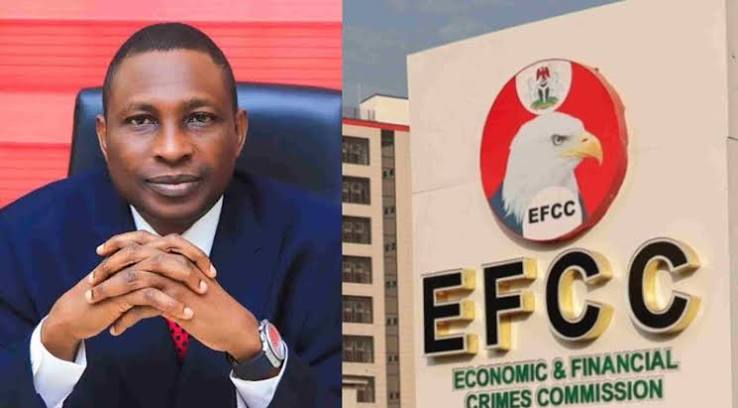
- The EFCC is examining procurement and contractor practices in Nigeria’s power sector after investigations linked the use of allegedly substandard electrical materials to equipment failures, outages and instability on the national grid.
The Economic and Financial Crimes Commission has turned its attention to the power sector, putting contractors and the procurement of electrical equipment under scrutiny over what it says are practices that can undermine critical infrastructure.
EFCC Chairman Ola Olukoyede has previously said investigations by the commission found that some contractors awarded projects to supply electrical equipment opted for substandard materials instead of those specified in their contracts. He linked the practice to equipment failures, outages and recurring grid instability.
The commission’s concerns go beyond financial loss. Poor-quality materials installed in the transmission network can create safety risks, shorten the life of infrastructure and leave the government paying repeatedly for assets that fail to deliver their expected service.
The EFCC disclosed in March 2026 that it had intervened in 2024 to stop a contractor engaged by the Ministry of Power from executing a project with what investigators described as fake and substandard transmission lines.
According to Olukoyede, the contractor had imported the materials for a government project. Following its investigation, the EFCC wrote to the Ministry of Power to blacklist the contractor. The commission said the intervention prevented potential loss of lives and damage to public infrastructure.
The case has now strengthened the commission’s push for closer cooperation with the Nigerian Electricity Management Services Agency, which is responsible for technical standards covering electrical materials and equipment.
During a March 2026 meeting with the EFCC, NEMSA Managing Director Olusegun Adesayo sought greater collaboration on intelligence sharing, investigations involving substandard materials, procurement processes and alleged contract abuses.
For compliance professionals, the concern is straightforward: a contract specification is only as effective as the controls used to ensure that what is delivered matches what was approved.
That requires more than paperwork. It requires independent testing, technical certification, supplier due diligence, inspection at delivery, verification before payment and effective monitoring throughout project execution.
The EFCC’s intervention also raises questions about how allegedly substandard materials passed through the procurement and project-supervision chain in the first place.
Olukoyede has argued that corruption prevention should receive as much attention as asset recovery, particularly where public infrastructure is involved. The commission has said its mandate extends to economic sabotage, not only conventional financial crimes.
The investigation comes against the backdrop of continuing government efforts to strengthen the national grid. In July 2026, the Federal Ministry of Power announced fresh investment in grid stabilisation, including work on ageing infrastructure, transmission bottlenecks, critical corridors and control systems.
That makes procurement integrity an important part of the grid-stability equation.
If public money is being spent on transmission infrastructure, the compliance question cannot end when a contractor submits an invoice. Authorities must establish whether the right materials were sourced, whether they meet the required specifications, whether they were independently tested and whether contractors delivered what they were paid to deliver.
The EFCC’s power-sector investigation therefore puts the spotlight on an often-overlooked link between corruption and infrastructure failure.
A weak procurement control can become a weak transmission line.
And when that line fails, the cost is not only financial. It can mean another outage, another damaged asset and another bill ultimately borne by the public.







No Comment! Be the first one.