





Why Small Businesses Are Becoming Prime Targets for Fraud
Small and medium-sized enterprises (SMEs) are increasingly finding themselves on the frontline of the global fight against fraud, with weak internal controls, excessive trust, financial...
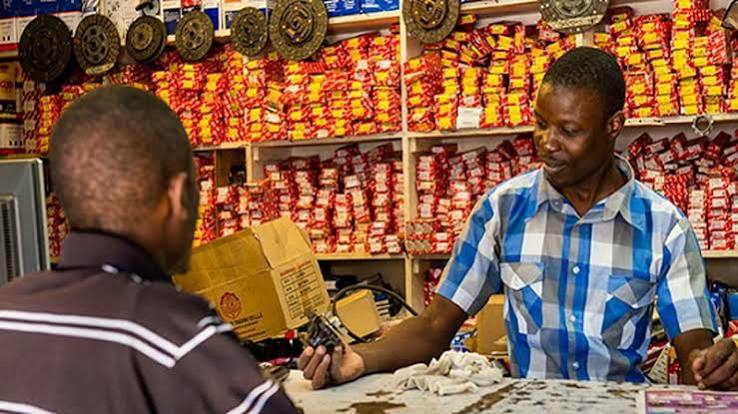
Small and medium-sized enterprises (SMEs) are increasingly finding themselves on the frontline of the global fight against fraud, with weak internal controls, excessive trust, financial pressures and rapid digitalisation exposing businesses to both insider and external threats.
A recent report by the Association of Certified Fraud Examiners (ACFE) highlights the vulnerability of smaller businesses, which often lack the resources and specialised personnel available to larger corporations.
The issue is significant because SMEs account for about 90 per cent of businesses globally and provide between 60 and 70 per cent of employment worldwide.
Despite their importance to economic activity, many smaller businesses operate without dedicated internal audit departments, fraud specialists or sophisticated monitoring systems.
This can create opportunities for employees, suppliers, customers and organised criminals to exploit weaknesses in business processes.
The Danger of Too Much Trust….
One of the most common vulnerabilities is excessive reliance on trusted employees.
The ACFE highlighted the case of a Scottish bakery where a branch manager manipulated customer transactions over an extended period. The manager recorded approximately £68,000 in voided transactions, compared with about £1,000 recorded by a previous manager. The fraud was eventually uncovered after management noticed discrepancies and carried out additional checks.
The case demonstrates how an employee who has control over transactions and faces little independent scrutiny can manipulate a system for personal gain.
Common forms of occupational fraud affecting SMEs include cash theft, false billing, payroll fraud, inventory theft, fraudulent expenses and the diversion of company funds.
Digitalisation Creates New Risks………
The fraud threat, however, is no longer confined to cash and physical documents. As SMEs increasingly rely on online banking, cloud accounting, electronic payments and digital platforms, cyber-enabled fraud has become a major concern.
Criminals can target businesses through phishing, business email compromise, identity theft, payment diversion and unauthorised electronic transactions.
The ACFE also highlights the danger of collusion, where an employee works with an outside party to defraud the business.
In one case involving Auckland Council, a procurement employee allegedly accepted bribes from an external supplier, disclosed confidential tender information and manipulated procurement documents to help the supplier win a contract valued at about $140,000. Such cases show that fraud can involve several participants operating inside and outside an organisation.
When Business Owners Become the Problem…
Another important concern is management fraud.
While SMEs can be victims of fraud, business owners and senior executives can also become perpetrators.
The pressure to maintain profits, meet financial obligations, secure loans or attract investors can tempt some managers to manipulate financial statements, conceal liabilities or misrepresent the company’s financial position.
Senior executives may be particularly difficult to detect because they often have the authority to override existing controls. For this reason, lenders, investors and other stakeholders cannot rely solely on information supplied by company management without appropriate verification.
Weak Controls, Bigger Losses……..
The ACFE’s Occupational Fraud 2026: A Report to the Nations found that organisations with fewer than 100 employees recorded a median occupational-fraud loss of $126,000.
More than half of the cases examined involved either a lack of internal controls or the overriding of existing controls.
For a large corporation, such a loss may be serious. For a small business operating on narrow margins, it can threaten the company’s survival.
Fraud can also cause long-term damage by destroying customer confidence, weakening relationships with suppliers, affecting access to financing and damaging a company’s reputation.
Trust Needs Verification……..
Many SMEs operate on relationships. Owners may rely heavily on long-serving employees, relatives, business partners and trusted suppliers. Such relationships can be valuable, but they can also create blind spots when independent checks are absent.
A single employee controlling purchasing, payment approval and accounting records, for example, creates a significant opportunity for fraud. SMEs do not necessarily need expensive compliance departments to address the problem.
Basic measures can make a substantial difference. These include separating financial responsibilities, requiring two people to approve major payments, conducting regular bank reconciliations, limiting access to financial systems and carrying out independent reviews.
Where complete separation of duties is not possible, businesses can introduce compensating controls such as independent reconciliation and periodic external audits.
Technology as Part of the Solution
Technology can also help businesses detect suspicious activity. Data analysis can identify unusual transactions, unexpected changes in financial figures, irregular payment patterns and other anomalies that may require investigation.
Whistleblower channels and regular management reviews can further improve the chances of detecting fraud early.
But technology must be supported by human judgement.
As criminals become more sophisticated, businesses need to combine cybersecurity with traditional financial controls, employee training and a strong ethical culture.
A Warning for African SMEs….
The ACFE report findings have particular relevance for Africa, where SMEs are major contributors to employment, entrepreneurship and economic development.
Many African businesses operate with limited financial and human resources, making sophisticated fraud-prevention systems difficult to afford. But the absence of expensive technology should not mean the absence of effective controls.
Business owners can begin by identifying where money, goods and sensitive information enter and leave the organisation, determining who has control over those processes and introducing independent checks.
The fundamental lesson is straightforward: trust must be accompanied by verification. Fraud prevention is not simply about watching employees. Businesses must also guard against external criminals, supplier collusion, cyber fraud and the possibility of management abuse.
For SMEs, stronger internal controls, ethical leadership, independent oversight and a culture of accountability can mean the difference between detecting fraud early and discovering it after the damage has already been done.
As Africa’s SME sector continues to expand, building stronger defences against fraud will be essential not only for individual businesses but also for the resilience of the wider economy.







No Comment! Be the first one.