





DRC PASSPORT SCANDAL EXPLODES: €185 DOCUMENT, DUBAI MONEY TRAIL AND KABILA LINKS HEAD TO COURT
A controversial Democratic Republic of Congo biometric passport contract has moved into a major new phase after Belgian prosecutors referred 14 defendants to a criminal court over allegations of...
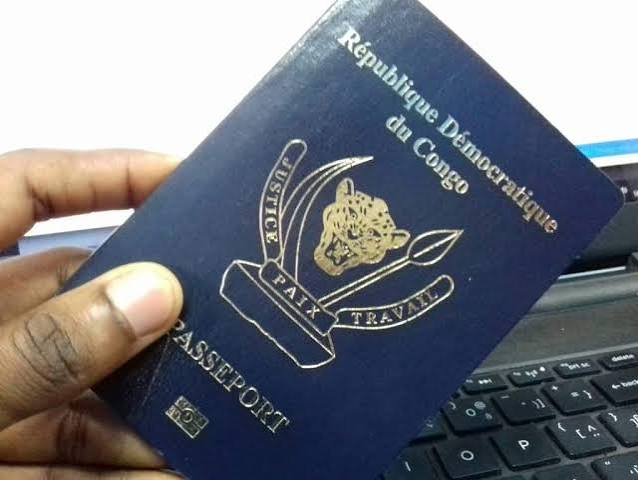
A controversial Democratic Republic of Congo biometric passport contract has moved into a major new phase after Belgian prosecutors referred 14 defendants to a criminal court over allegations of foreign bribery, money laundering and tax fraud.
The case centres on a 2015 agreement between the Congolese government and Belgian biometrics company Semlex to produce biometric passports. The Brussels Council Chamber referred the defendants to trial after an investigation that has lasted almost nine years. The allegations have not been proven in court.
At the centre of the controversy is the price paid by Congolese citizens. Under the 2015 arrangement, the passport cost $185, while civil parties allege that $60 from each passport was channelled to LRPS Ltd, a Dubai based company described in investigations as being linked to an individual close to former President Joseph Kabila.
The civil parties allege that the structure resulted in nearly $60 million being diverted. Reuters previously reported that the Congolese state was to receive only $65 from the $185 passport fee, with the remainder distributed among Semlex related entities and LRPS.
That financial structure is now at the heart of the Belgian criminal proceedings.
The Dubai connection has particular AML significance. LRPS was incorporated in Ras Al Khaimah in January 2015, while negotiations over the passport contract were underway. Investigative documents previously reviewed by Reuters indicated that the company was subsequently transferred to Makie Makolo Wangoi, who was described by sources as a close relative of Kabila, although Reuters said it could not independently verify the ownership at the time.
The investigation has also examined other financial connections around the contract. In 2015, two UAE based companies linked to Semlex reportedly made payments totalling $700,000 into private accounts held by Emmanuel Adrupiako, a Kabila adviser involved in the passport negotiations. The relationship between those payments and the passport contract was not established.
Belgian investigators have spent years following the money. Civil parties said investigators traced bank transactions, analysed hundreds of emails and electronic messages, interviewed witnesses and suspects, and pursued legal assistance in both the DRC and the United Arab Emirates.
The case now puts the compliance architecture surrounding public procurement under intense scrutiny.
A government contract involving identity documents, politically exposed persons, offshore entities and cross border payments creates precisely the type of environment in which enhanced due diligence, beneficial ownership verification, source of funds checks and anti bribery controls become critical.
For financial institutions, the Dubai structure also illustrates why customer due diligence cannot stop at the immediate corporate customer. The real risk can sit several layers behind an apparently legitimate contractor, particularly where politically connected individuals, intermediaries and offshore entities intersect.
The case is equally significant for multinational companies bidding for government contracts. Anti-corruption compliance is not simply about avoiding an explicit bribe. It requires companies to understand who benefits from contractual payments, why intermediaries are being used and whether the commercial structure can withstand regulatory scrutiny.
The Belgian proceedings could now force those questions into open court.
A passport contract that began as a government procurement deal has become a test of beneficial ownership, offshore financial flows and the ability of prosecutors to follow public money across borders.
Compliance takeaway
The Semlex case demonstrates the heightened AML and anti corruption risks surrounding government contracts involving politically exposed persons and offshore intermediaries. Compliance teams should scrutinise beneficial ownership, intermediary arrangements, unusual payment structures, related party relationships and cross border flows. Enhanced due diligence should extend beyond the contracting company to the people and entities ultimately benefiting from the transaction.







No Comment! Be the first one.