




MAHAMA DEEPFAKE CRYPTO SCAM: GHANA REGULATORS SOUND ALARM AS AI BECOMES A FRAUD WEAPON
Ghana’s financial regulators have sounded a fresh alarm over the weaponisation of artificial intelligence after scammers used a doctored video of President John Dramani Mahama to promote an...
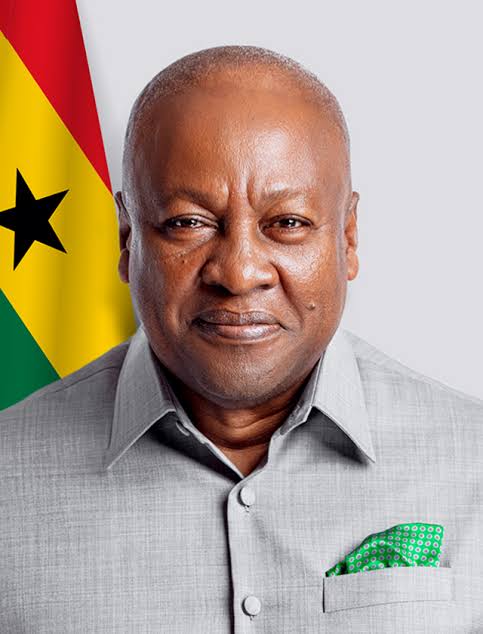
Ghana’s financial regulators have sounded a fresh alarm over the weaponisation of artificial intelligence after scammers used a doctored video of President John Dramani Mahama to promote an unlicensed cryptocurrency investment platform and lure members of the public into handing over money.
The Bank of Ghana and the Securities and Exchange Commission warned that the platform, known as “Daily Wealth Guide”, was being promoted through social media with a fabricated video falsely portraying Mahama as endorsing the investment scheme. The regulators said the platform was not licensed and urged the public not to transfer funds to it.
The case exposes a dangerous convergence of three fast growing threats: generative AI, social engineering and unregulated digital finance.
The scam does not simply rely on a fake investment promise. It borrows the credibility of a sitting president, using manipulated audiovisual content to manufacture an endorsement that never happened. That can make traditional fraud warnings far less effective because victims are no longer responding only to text messages or suspicious websites. They are being presented with apparently authentic video evidence.
The Bank of Ghana said it has not licensed any individual or entity to engage in crypto investment activities in Ghana. The regulators also warned that soliciting deposits through the scheme could amount to unauthorised deposit taking under Ghana’s Banks and Specialised Deposit-Taking Institutions Act, 2016.
The regulatory response is extending beyond investors. Media organisations have also been warned not to carry advertisements promoting the purported investment operation. The regulators urged broadcasters and online publishers to verify the licensing status of investment providers before accepting their advertisements.
The enforcement warning comes as Ghana tightens its wider approach to virtual assets. The Bank of Ghana, SEC and Financial Intelligence Centre have said virtual assets can no longer remain outside Ghana’s financial regulatory framework, with the central bank noting that the country’s virtual asset ecosystem now has more than three million users.
The Mahama deepfake is also part of a broader pattern. Ghanaian authorities have already investigated other AI generated videos impersonating the President and First Lady. Police operations in March and May led to arrests over alleged schemes in which manipulated videos were used to solicit money and personal information from victims.
For compliance teams, the case changes the fraud question. It is no longer enough to ask whether a crypto platform is licensed or whether a customer’s transaction appears suspicious. The source of the customer’s trust may itself have been manufactured by AI.
Ghana’s regulators are therefore confronting a new layer of financial crime risk, one in which identity, reputation and official endorsement can all be digitally fabricated before a single cedi enters a wallet.
The deepfake may be artificial, but the financial loss it creates is real.
Compliance takeaway
Financial institutions, virtual asset service providers, regulators and media platforms face a growing need to combine licensing verification, transaction monitoring, digital identity controls, fraud intelligence and AI generated content detection. A convincing video or apparent endorsement should never substitute for regulatory verification. The case also highlights the importance of rapid information sharing between financial regulators, law enforcement, technology platforms and financial institutions when AI is being used to facilitate investment fraud.





No Comment! Be the first one.