





HAMAS CRYPTO CHANNEL HIT: US SEIZES $560,000 AND TAKES CONTROL OF FUNDING INFRASTRUCTURE
The United States has seized more than $560,000 in cryptocurrency allegedly destined for Hamas and taken control of websites, domains and servers used to solicit donations and recruit supporters,...
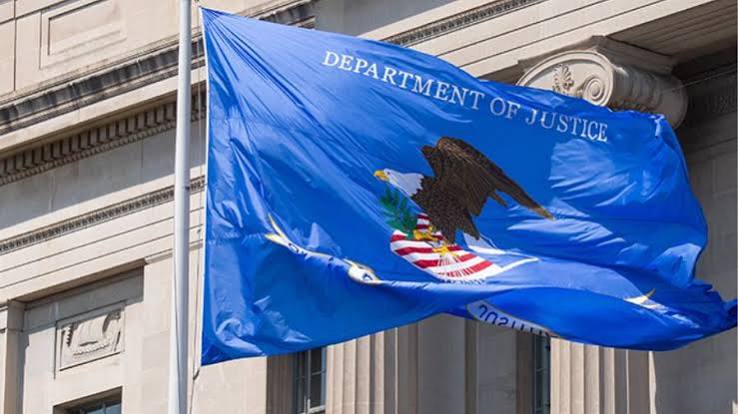
The United States has seized more than $560,000 in cryptocurrency allegedly destined for Hamas and taken control of websites, domains and servers used to solicit donations and recruit supporters, delivering a fresh warning to terrorist financiers that digital assets are no longer beyond the reach of enforcement agencies.
The US Department of Justice said the court authorised seizures targeted cryptocurrency connected to Hamas and its military wing, the Al Qassam Brigades. The FBI also disrupted the digital infrastructure supporting the fundraising operation, including the group’s principal website, AlQassam.ps.
The operation is significant because investigators did not treat the cryptocurrency wallets as an isolated financial trail. They followed the wider ecosystem surrounding the fundraising operation, linking encrypted communications, websites, wallet addresses and digital infrastructure.
According to the Justice Department, prospective donors were directed through online communications to fundraising platforms where cryptocurrency addresses were changed periodically. That rotating wallet strategy was designed to make the flow of funds harder to follow, but investigators were able to trace the activity and obtain court authorisation for multiple seizures.
US Attorney Jeanine Ferris Pirro put the enforcement message bluntly: “Your networks are not secure, your crypto is vulnerable.”
The FBI said its investigation also produced information on thousands of individuals who contacted Hamas online in attempts to donate using cryptocurrency and other payment methods. That information could provide investigators with additional leads extending beyond the assets already seized.
The latest action follows an earlier Justice Department seizure in March 2025 involving approximately $201,400 in cryptocurrency. US authorities said the wallets involved had processed more than $1.5 million in virtual currency since October 2024
The enforcement pattern is becoming increasingly important for banks, crypto exchanges, virtual asset service providers and compliance teams. Blockchain transactions may be pseudonymous, but the surrounding digital footprint can expose users, administrators, domains, devices, communications and conversion points.
That means terrorist financing controls cannot stop at wallet screening. Transaction monitoring, blockchain analytics, sanctions screening, customer due diligence and suspicious activity reporting increasingly have to operate alongside cyber intelligence and investigations into online infrastructure.
The US action also demonstrates how authorities can move from tracing money to disrupting the machinery used to raise it. Seizing the cryptocurrency attacks the financial proceeds. Taking control of the domains and servers attacks the collection mechanism itself.
For financial crime professionals, the message is becoming harder to ignore. Crypto may change the route through which terrorist money moves, but it does not make the financial trail invisible.
Compliance takeaway
The case reinforces the need for crypto and financial institutions to monitor the wider context surrounding digital asset transactions. Rotating wallet addresses, exposure to sanctioned or high-risk entities, unusual donation patterns, rapid wallet movements and links to suspicious online infrastructure can all become indicators of terrorist financing risk. Effective controls increasingly depend on combining blockchain intelligence with customer information, sanctions data, cyber intelligence and timely law enforcement cooperation.







No Comment! Be the first one.