





US STRIKES HAMAS CRYPTO NETWORK, SEIZES $560,000 IN DIGITAL FUNDS
The US Department of Justice has seized more than $560,000 in cryptocurrency allegedly destined for Hamas and dismantled parts of an online infrastructure used to raise money and recruit supporters....
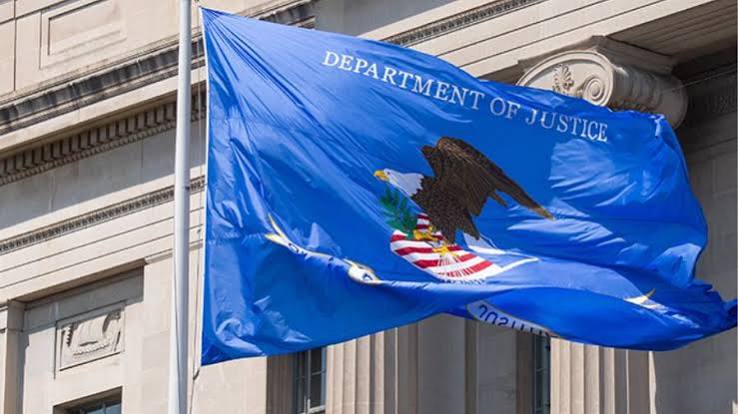
- Washington has disrupted a Hamas fundraising operation by seizing more than $560,000 in cryptocurrency and taking control of websites and servers used to solicit donations, exposing the growing financial crime risks surrounding digital assets.
The US Department of Justice has seized more than $560,000 in cryptocurrency allegedly destined for Hamas and dismantled parts of an online infrastructure used to raise money and recruit supporters.
The court authorised seizures followed investigations by the FBI, which traced cryptocurrency donations through a network of wallets and online platforms linked to Hamas’s military wing, the Al Qassam Brigades. Investigators identified and seized funds in operations conducted between March and October 2025.
Authorities also seized domains and servers associated with the group’s main website. According to the DOJ, the operation enabled investigators to intercept cryptocurrency donations intended for Hamas and obtain information on thousands of individuals who attempted to donate through digital and traditional channels.
The case demonstrates a fundamental shift in terrorist financing.
Digital assets are no longer being treated by investigators as an opaque financial frontier beyond the reach of law enforcement. Blockchain transactions can leave a traceable trail, allowing investigators to follow funds across wallets, exchanges and other intermediaries.
The latest seizure follows a broader US campaign targeting crypto-based terrorist financing. In March 2025, the DOJ seized approximately $201,400 in cryptocurrency linked to a Hamas fundraising network that prosecutors said had laundered more than $1.5 million in virtual currency since October 2024.
THE COMPLIANCE WARNING
For banks, crypto exchanges, fintechs and payment providers, the case raises the stakes around transaction monitoring, sanctions screening, wallet analytics and customer due diligence.
For Africa’s rapidly expanding digital asset sector, the message is equally direct.
Crypto may move outside traditional banking rails, but it does not move outside the reach of financial crime investigators.
The compliance battlefield is moving onto the blockchain, and institutions that fail to understand where digital money comes from, where it moves and who ultimately controls it could find themselves exposed to sanctions, enforcement and reputational damage.







No Comment! Be the first one.