





US Violent Crime Falls 9.3%, FBI Reports Sharpest Annual Decline on Record
Story Violent crime in the United States recorded its steepest annual decline in nearly a century, according to newly released FBI data covering 2025. The FBI estimates that 1,119,768 violent crime...
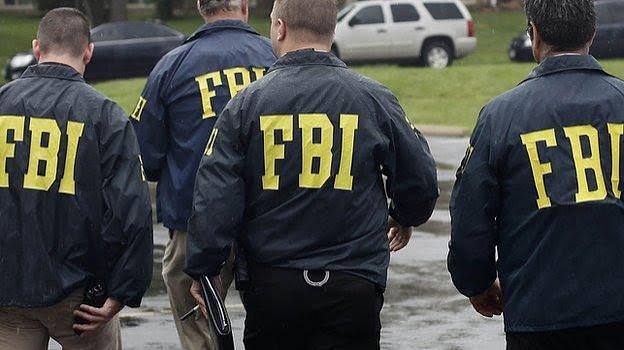
- Violent crime in the United States fell by 9.3% in 2025, the largest year to year decline recorded since the FBI began estimating national crime trends in 1936. Murder, robbery, rape and aggravated assault all declined, while property crime fell by 12.4%.
Story
Violent crime in the United States recorded its steepest annual decline in nearly a century, according to newly released FBI data covering 2025.
The FBI estimates that 1,119,768 violent crime offences were recorded nationwide during the year, producing a rate of 327.6 offences per 100,000 people, down from 362.9 in 2024.
The decline cut across the major categories. Murder and nonnegligent manslaughter fell 18.1%, robbery declined 18.5%, rape dropped 7.6%, while aggravated assault fell 7.2%.
The estimated murder rate dropped to 4.1 per 100,000 inhabitants, tying the rate recorded in 1955 and 1956 and representing the lowest level in the FBI’s national estimates.
Property crime also moved lower, declining an estimated 12.4%. Motor vehicle theft recorded the sharpest fall within that category, down 22.7%.
The figures are based on information submitted by more than 17,000 law enforcement agencies, covering about 96.2% of the US population. Compliance Analysis
For compliance professionals, the figures offer an important reminder that crime data is not only a policing issue.
Lower levels of conventional violent crime do not necessarily translate into lower financial crime risk.
Fraud, cybercrime, money laundering, identity theft and other economically motivated offences can operate largely outside traditional violent crime statistics. The FBI itself treats white collar crime as a major enforcement area, working with agencies including the SEC, IRS, Treasury and FinCEN.
The more useful compliance question is therefore whether criminals are shifting towards less visible methods of extracting and moving money.
For banks and financial institutions, the decline in physical violence does not justify weaker controls around suspicious transactions, fraud detection or financial intelligence.







No Comment! Be the first one.