





SEC Orders Capital Market Operators Onto NigSac Alerts
Story The Securities and Exchange Commission has directed all capital market operators that have not already subscribed to the Nigeria Sanctions, NigSac, Alerts system to do so immediately. The...
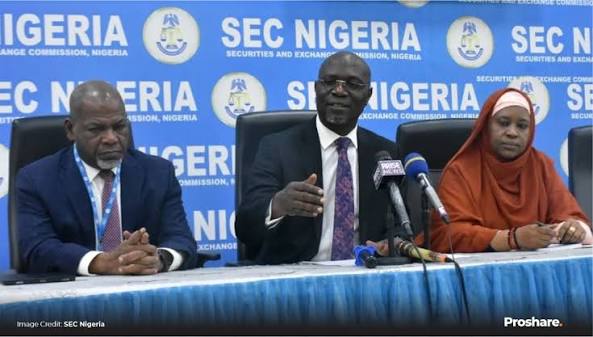
- Nigeria’s capital market is tightening its sanctions controls. The Securities and Exchange Commission has directed regulated operators to subscribe immediately to the Nigeria Sanctions, NigSac, Alerts portal, putting faster sanctions intelligence and action at the centre of compliance.
Story
The Securities and Exchange Commission has directed all capital market operators that have not already subscribed to the Nigeria Sanctions, NigSac, Alerts system to do so immediately.
The directive forms part of the SEC’s implementation of Financial Action Task Force statements on high- risk jurisdictions and jurisdictions under increased monitoring. It is being enforced under Nigeria’s Investments and Securities Act 2025 and the SEC’s AML/CFT rules.
The purpose is straightforward. Regulated firms need timely access to information on terrorist financing and proliferation financing designations so they can identify affected customers and assets and apply targeted financial sanctions.
This is particularly relevant to an increasingly digital capital market where transactions can move quickly between brokers, investment platforms, custodians, fund managers and digital asset businesses.
Analysis
The real significance of the directive is that sanctions screening is becoming a continuous compliance exercise, rather than something done only when a customer opens an account
A client who passes screening today can be designated tomorrow.
When that happens, an operator needs to know quickly whether the individual or company has an account, securities, funds or other economic resources within its system.
The compliance process does not end with receiving the alert.
The operator may have to identify the sanctioned party, freeze relevant assets, stop prohibited transactions and make the required regulatory reports.
Recent SEC sanctions instructions have required capital market operators to identify and freeze relevant funds, report frozen assets and attempted transactions, submit suspicious transaction reports to the NFIU where appropriate, and continue monitoring for related activity.
That puts pressure on firms to have functioning internal procedures before a sanctions alert arrives.
Who receives the alert? Who checks the customer database? Who determines whether a match is genuine? Who authorises a freeze? Who reports the action?
If those questions cannot be answered quickly, the firm may have a sanctions control on paper but not in practice.
Why it matters
The SEC’s approach also reflects a wider shift in Nigeria’s financial crime framework.
Capital market operators are increasingly expected to operate with the same seriousness around sanctions risk traditionally associated with banks.
The consequences of ignoring the directive can also be significant, including regulatory penalties and other enforcement measures.
Compliance Takeaway
For capital market operators, subscribing to NigSac is only the starting point.
Firms need to ensure alerts reach the right people, customer and transaction databases can be screened promptly, and procedures exist for freezing assets, stopping prohibited transactions and making the necessary reports.
The compliance question is no longer whether a sanctions alert was received. It is whether the firm acted on it quickly enough.






No Comment! Be the first one.