





Kenya Gambling Licensing Resumes as High Court Partially Lifts Suspension
The Gambling Regulatory Authority can resume licensing and regulatory oversight after Kenya’s High Court partially lifted a suspension affecting the Gambling Control (Licensing) Regulations, 2026,...
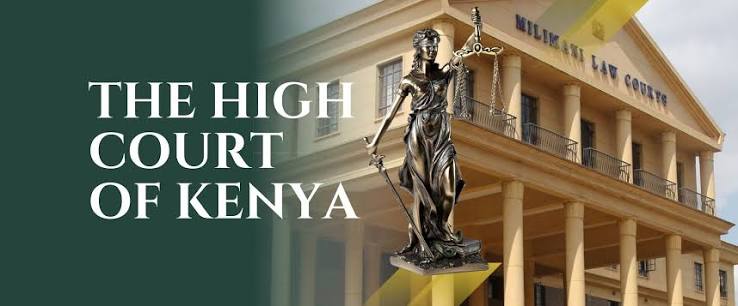
The Gambling Regulatory Authority can resume licensing and regulatory oversight after Kenya’s High Court partially lifted a suspension affecting the Gambling Control (Licensing) Regulations, 2026, while challenges to parts of the new framework continue.
Kenya’s gambling regulator has been cleared to resume key licensing and oversight functions after the High Court partially lifted a stay that had disrupted implementation of the country’s new gambling regulations.
The Gambling Control (Licensing) Regulations, 2026 came into force on 30 June as part of a wider overhaul of Kenya’s gambling regulatory framework. The Gambling Regulatory Authority (GRA), which succeeded the former Betting Control and Licensing Board, began operating under the new regime in July.
The regulations were subsequently challenged in court, resulting in a suspension that temporarily halted elements of the new licensing system. The GRA argued that the suspension was disrupting its ability to process applications, conduct inspections and carry out its statutory oversight functions.
The latest High Court ruling allows the regulator to resume licensing and compliance activities while the substantive judicial review continues. The court has not, however, brought the wider legal challenge to an end. Judgment in the substantive proceedings is expected later this year.
For gambling operators, the ruling provides some immediate regulatory certainty. Businesses can once again engage with the GRA on licensing matters rather than operating in an environment where the regulator’s ability to process applications was effectively frozen.
The dispute centres partly on the financial and operational requirements introduced by the 2026 regulations. Gambling companies have challenged significant increases in licensing fees and other requirements, arguing that the new framework places excessive financial burdens on operators.
One of the most contentious measures is the increase in the licensing fee for online bookmakers, which has reportedly risen from KES 200,000 to KES 50 million under the new framework.
The compliance implications extend beyond licensing fees.
Operators must now assess whether their business models, financial structures, operational controls and regulatory documentation meet the requirements of the new regime. The GRA’s restored oversight powers also mean that compliance inspections and regulatory engagement can resume.
For operators, the situation remains fluid. The High Court’s decision does not mean that every contested provision has been definitively upheld. Instead, it allows the regulatory system to function while the court considers the underlying legal challenge.
That distinction is important for compliance teams.
Companies should not treat the partial lifting of the suspension as the end of the regulatory dispute. They will need to monitor further court orders and be prepared for potential changes to licensing fees, capital requirements or other provisions if the substantive challenge succeeds.
The episode also demonstrates the regulatory risk created when businesses invest in compliance with a newly introduced framework while its legality is simultaneously being challenged.
For the GRA, the immediate priority is restoring the licensing and supervisory functions that were disrupted by the suspension.
For gambling operators, the message is equally clear: the regulator is back in business, and compliance obligations under Kenya’s new gambling regime remain an active issue while the legal challenge continues.






No Comment! Be the first one.