





Chinese Component in UK Naval Drones Raises Supply Chain Security Concerns
A component fitted to British naval drones was found transmitting signals to an internet address in China, exposing a significant supply chain and technology risk for the UK’s defence sector and...
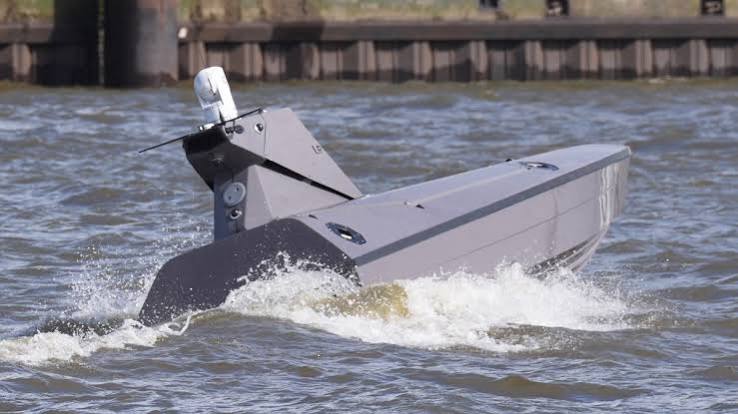
A component fitted to British naval drones was found transmitting signals to an internet address in China, exposing a significant supply chain and technology risk for the UK’s defence sector and raising wider questions about the security of foreign-made components embedded in sensitive systems.
The discovery involved cameras installed on K3 Scout unmanned surface vessels produced by UK-based Kraken Technology. The UK Ministry of Defence found that a camera component was communicating with an internet address in China during a security assessment. Officials said there was no evidence that sensitive information had been accessed or compromised.
Kraken said the potential vulnerability had been identified and closed. The company recently secured a $49 million contract from the US Special Operations Command, adding another dimension to concerns about the security of components used in systems supplied to Western defence organisations.
Supply Chain Risk Moves to the Front Line
The incident highlights a growing compliance challenge for organisations that depend on complex international technology supply chains.
Modern defence systems can contain thousands of components sourced from multiple countries and suppliers. Even where the final product is designed, assembled and controlled domestically, individual components may originate elsewhere or contain software and connectivity features that are not immediately visible to the end user.
That creates a difficult governance problem. A supplier may meet technical specifications while introducing a separate cyber or national-security risk through an embedded component.
For compliance and risk professionals, supplier approval can therefore no longer be limited to financial stability, contractual terms and conventional quality assurance. Organisations increasingly need to understand the provenance of critical components, their software dependencies and their ability to communicate externally.
The Hidden Connectivity Problem
The discovery is particularly significant because the component was capable of communicating with an address in China.
Even though British authorities found no evidence that sensitive information had been compromised, the existence of an unexpected communications pathway is itself a control concern.
In highly sensitive environments, organisations need confidence that connected devices communicate only with authorised systems and destinations. Unnecessary external connectivity can create an attack surface that may be exploited by malicious actors or become a channel for unauthorised data transmission.
The case demonstrates why cybersecurity assessments need to extend beyond an organisation’s own networks and into the hardware and software supplied by third parties.
China and Critical Technology Supply Chains
The incident also reflects a broader challenge facing Western governments and businesses seeking to reduce dependence on Chinese technology.
China remains deeply embedded in global technology manufacturing, including the production of cameras, motors, batteries and other components used in drone systems. Attempts to remove Chinese-made components entirely can be expensive and difficult because alternative suppliers may be more costly or less readily available.
That creates a tension between cost efficiency and strategic security.
For regulated organisations, the issue is increasingly becoming one of third-party and supply chain risk. Procurement decisions that focus primarily on price and performance may fail to account for geopolitical exposure, data security and the potential consequences of embedded technology dependencies.
A Compliance Issue, Not Just a Cyber Issue
The drone incident demonstrates why supply chain security should be considered part of enterprise compliance and governance.
Organisations operating in sensitive sectors need to know who manufactures critical components, where those components are produced, what software they contain, what external connections they require and whether those connections can be independently verified.
Contractual controls are also becoming more important. Suppliers may need to provide greater transparency about component provenance, software dependencies, data flows, remote-access capabilities and changes made during the product lifecycle.
Without that visibility, an organisation can effectively inherit risks that were never identified during procurement.
Compliance Takeaway
The UK naval drone incident is a reminder that supply chain risk can enter an organisation through a single component.
Compliance and risk leaders should work with procurement, cybersecurity and technical teams to establish stronger due diligence requirements for critical suppliers. Security assessments should examine not only the finished product but also its components, software, connectivity and ownership structure.
Organisations operating in defence, critical infrastructure, financial services and other sensitive sectors should also consider whether existing third-party risk frameworks adequately address geopolitical exposure and technology provenance.
The key lesson is that a trusted supplier does not automatically mean a trusted supply chain. Effective compliance requires organisations to understand what is inside the technology they buy, where it comes from and what it is capable of communicating with.







No Comment! Be the first one.