





SFO and US Authorities Investigate Collapsed Telecoms Firm IMC
SFO and US Authorities Investigate Collapsed Telecoms Firm IMC The United Kingdom’s Serious Fraud Office (SFO) has opened an investigation into suspected fraud, false accounting and money laundering...
SFO and US Authorities Investigate Collapsed Telecoms Firm IMC
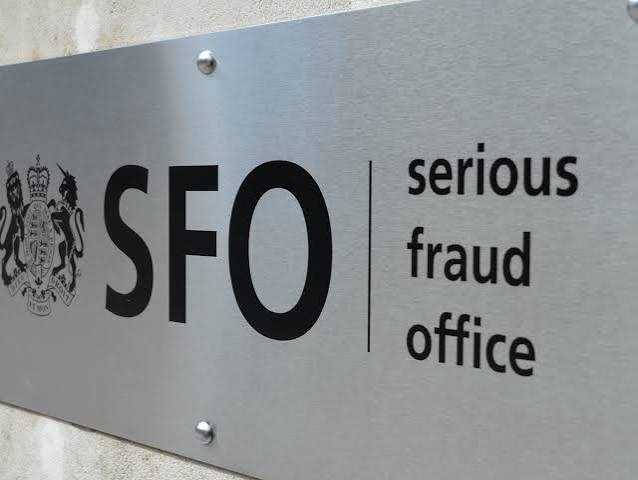
The United Kingdom’s Serious Fraud Office (SFO) has opened an investigation into suspected fraud, false accounting and money laundering at collapsed telecommunications company Internet Mobile Communications Limited (IMC), in a case that also involves a parallel investigation by US authorities.
The investigation places the 2024 collapse of the Chelmsford-based technology company under renewed scrutiny and highlights the growing importance of cross-border cooperation in tackling suspected financial crime.
The SFO said IMC operated an international platform selling telecommunications services for more than 12 years. At its peak, the company processed millions of internet telephone minutes and SMS transactions each year and presented itself as one of the largest virtual telecommunications marketplaces of its kind. The company collapsed abruptly in 2024, leaving creditors facing losses.
Cross-Border Financial Crime Probe
The investigation is being conducted alongside a parallel inquiry by the District Attorney’s Office of New York. The involvement of US authorities underscores the international dimension of the allegations and the movement of business, financial transactions and potential proceeds across jurisdictions.
The SFO has kept aspects of the investigation covert for operational reasons. Earlier in June, investigators interviewed a man in his sixties under caution as part of the ongoing inquiry. The agency has not disclosed the individual’s identity or indicated whether any charges have been brought.
SFO Director Graham McNulty said financial crime does not stop at national borders and stressed the agency’s cooperation with international partners.
The investigation remains at an early stage, and the allegations have not been proven.
Collapse Raises Governance Questions
IMC’s collapse illustrates the compliance risks that can emerge when a company operating across multiple jurisdictions experiences a sudden financial failure.
For compliance and risk professionals, investigations involving suspected fraud, false accounting and money laundering typically raise questions about the reliability of financial records, the effectiveness of internal controls, transaction monitoring, management oversight and the movement of funds between related parties and jurisdictions.
The case also demonstrates why corporate governance cannot be separated from financial crime controls. Where a business operates internationally and processes large volumes of transactions, compliance oversight must extend beyond headline financial performance to the systems, controls and decision-making processes supporting that activity.
A company can have substantial transaction volumes and an international footprint while still carrying significant underlying control weaknesses. Effective compliance therefore requires organisations to understand not only what their businesses are reporting, but how those figures are generated and independently validated.
Regulatory Cooperation Intensifies
The joint UK-US dimension of the investigation is particularly significant for multinational businesses.
Regulators and law-enforcement agencies increasingly cooperate across borders when suspected financial crime involves international transactions, corporate structures or individuals operating in more than one jurisdiction. Companies cannot assume that conduct falling outside the immediate reach of one regulator will remain beyond regulatory scrutiny.
The IMC investigation reinforces the need for organisations to maintain accurate records, establish clear accountability and ensure that financial and compliance controls remain effective throughout periods of rapid growth, restructuring or financial distress.
Compliance Takeaway
The IMC case is a reminder that compliance controls must remain effective even when a business appears commercially successful.
Organisations with international operations should maintain strong financial controls, independent oversight, reliable accounting records and effective anti-money laundering measures. Senior management and boards should also have sufficient visibility over material compliance risks, particularly where businesses process large transaction volumes or operate through complex cross-border structures.
For compliance leaders, the key lesson is that financial crime risk can become significantly more difficult to investigate once a company has collapsed. Strong controls, accurate records, documented decision-making and effective escalation mechanisms are therefore essential before problems reach the point of insolvency or regulatory intervention.







No Comment! Be the first one.